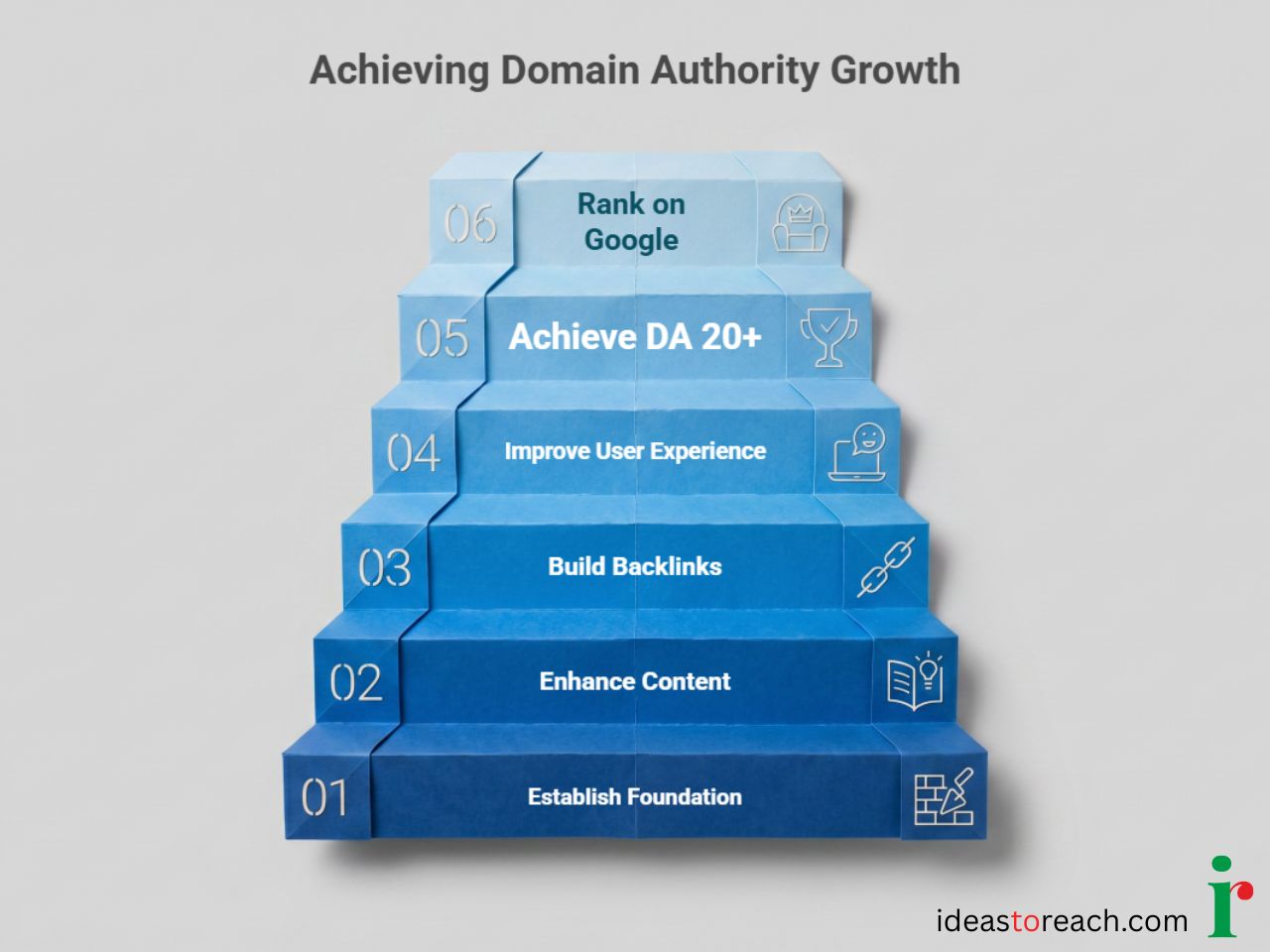

The trajectory of a website's ranking potential is closely tied to its perceived merit in the digital ecosystem. Over decades of professional practice in search engine optimization, certain patterns have emerged regarding how different types of domains acquire and maintain authority. This guide synthesizes these observations into a framework for understanding how a Domain Authority (DA) score of 20 or higher serves as a catalyst for ranking velocity. By examining industry-specific benchmarks and growth scenarios, website owners can better navigate the transition from a low-authority domain to a competitive market leader.
Small business websites frequently enter the digital market with a Domain Authority score of one. The initial journey toward a competitive standing is characterized by the accumulation of local and niche-specific merit signals.
It is observed that local service providers in regions like Chennai benefit significantly from localized authority signals. When a B2B service website moves from a single-digit DA score to a score of 20 or higher, the time required for new service pages to appear on the first page of search results decreases dramatically. This "merit threshold" suggests that search engines prioritize established domains that demonstrate consistent regional relevance. For businesses at this stage, Domain Authority Boosting Services Chennai are often the most effective way to cross this initial barrier.
A common pattern in high-performing blogs is the shift from broad, thin content to deep-dive resources. Websites that focus on a "Topic Cluster" approach—where multiple related articles support a central pillar—tend to attract higher-quality citations naturally. This concentration of expertise is a primary driver in moving a domain's authority past the early-stage plateau.
Search engines appear to apply different standards of merit depending on the sector. Understanding these nuances is critical for a strategic SEO review for growth.
In the real estate sector, authority is often earned through the publication of original research and market data. When a real estate domain becomes a source for property trends or regional statistics, it earns mentions from news outlets and financial blogs. This high-trust link profile provides the domain with the necessary strength to rank for high-competition property keywords. This illustrates how providing unique utility is a core method to turn SEO rankings into business revenue.
E-commerce domains typically achieve higher authority through strategic collaborations and influencer mentions. By securing links from recognized product reviewers and industry experts, an online store builds a profile of brand credibility. High-authority e-commerce sites demonstrate a faster "time-to-rank" for new product launches compared to lower-authority competitors.
For "Your Money or Your Life" (YMYL) industries, the standard for authority is exceptionally high. Observations suggest that these domains must secure links from established educational or professional institutions to maintain their standing. Adherence to EEAT and brand authority in SEO is the most sustainable path for these sectors to ensure long-term visibility.
Authority is not a static asset; it requires proactive management to prevent decay and technical stagnation.
It is a professional reality that many websites lose authority due to technical oversights such as broken internal links or improper redirects during site migrations. A thorough website and online visibility audit often reveals that a domain's "true" authority is higher than its current score suggests. Fixing these technical "leaks" can lead to a rapid recovery of ranking positions.
Modern authority growth involves varied signals beyond traditional text-based links. Mentions in podcasts, expert quotes in industry roundups, and citations within educational videos all contribute to a robust authority profile. These diverse signals provide search engines with a comprehensive picture of a brand's influence. Measuring SEO results effectively involves tracking how these varied signals correlate with overall domain growth.
Successful authority building follows a disciplined framework that prioritizes quality over speed.
The creation of long-form resource pages that remain relevant over several years is a proven method for sustainable authority. These pages act as "link magnets," continuing to earn citations long after their initial publication. This approach is a cornerstone of any realistic SEO strategy guide.
The most resilient success stories are those built through ethical link building services in Chennai. By focusing on genuine relationships and high-quality placements, businesses protect themselves from the risks of algorithm updates while building a domain that carries genuine merit.
The collective evidence from decades of search engine management confirms that Domain Authority is a manageable reflection of a brand's digital stature. Crossing the DA 20 milestone is a professional objective that significantly enhances a website's ability to compete in a crowded marketplace. By focusing on technical health, industry-specific relevance, and high-merit content, website owners can ensure their domain remains a powerful vehicle for business growth.
Previous page: Domain Authority Analysis Tools and Industry Benchmarks